he announcement that Alexander Nübel joins Bayern Munich on a free transfer from Schalke 04 didn't exactly shock German football. It had been brewing for months. But the confirmation still landed with weight, because it formalises a succession plan that Bayern had been plotting since Manuel Neuer turned 33. Nübel。then 23, signed a five-year deal starting July 2020. The numbers behind the move tell a colder story than the headlines: Bayern paid zero euros in transfer fee, handed Nübel a reported €5m annual salary, and promised him a gradual pathway rather than immediate starts. That last part is where the gamble lives.
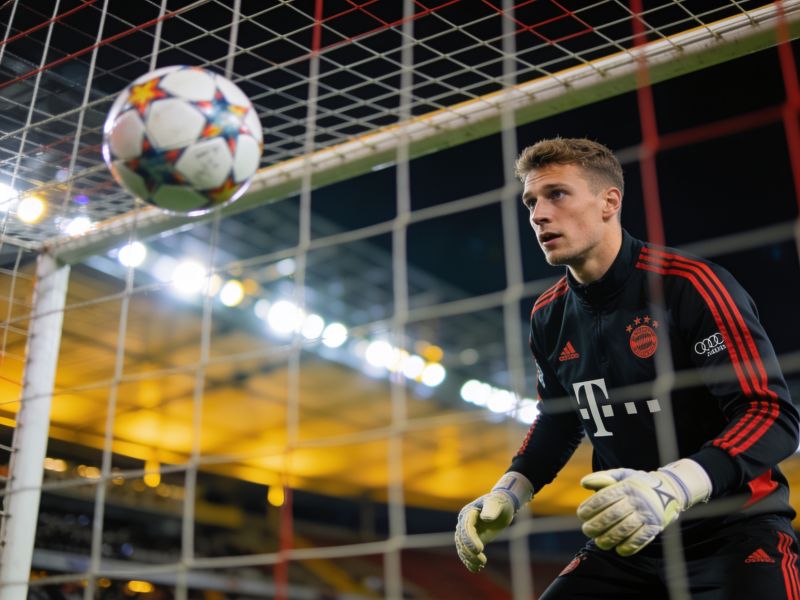
Watch Nübel for ninety minutes and you notice the quiet. Not the loud, chest-thumping goalkeeping that defined Oliver Kahn's era at Bayern. Nübel positions himself early, often before the shot even arrives, and his distribution under pressure is genuinely elite — a trait Bayern's build-up play demands. In his final season at Schalke, he completed more passes per game than any other Bundesliga keeper bar one. But Schalke's defence was chaotic。and Nübel faced more shots on target per match than Neuer ever has. That volume masked his weaknesses as much as it highlighted his reflexes. I've rewatched his 2018-19 campaign, and the raw shot-stopping numbers are good, not outstanding. His save percentage hovered around 68%, mid-table among Bundesliga starters. Bayern signed potential, not a finished product.The awkward part — and everyone at Säbener Straße knows it — is Neuer. He's still here, still Germany's number one。still producing saves that defy age curves. Nübel joins Bayern Munich as a backup who was told he'd get ten to fifteen competitive games per season. That promise sounds reasonable until you remember Neuer hates resting. He played 45 of 46 possible matches in 2021-22. A goalkeeper who expects to start cannot develop from the bench, and Nübel's camp made that clear during negotiations. Bayern responded by inserting a clause: if Nübel doesn't play a set number of games, he can leave on loan. That's not a standard contract detail. It's an admission that the succession plan might need a detour.Compare this to how Bayern handled the Neuer transition in 2011. Back then, they sold Thomas Kraft and let Neuer walk straight into the XI. No apprenticeship。no waiting. The Nübel deal flips that model because Neuer's level hasn't dropped enough to justify a handover. Is that smart planning or unnecessary friction?
Both. Bayern protect themselves against a sudden decline or injury to Neuer, and they lock in a German keeper with resale value. Nübel gets elite training and the Bayern badge on his CV. But football history is littered with talented goalkeepers who wasted their prime years holding a clipboard at a big club — think Tim Wiese at Hoffenheim, or more painfully, Ron-Robert Zieler's wasted year at Hannover after his Bayern move fell through. Nübel is 26 now. By the time Neuer's contract expires in 2024, Nübel will be 27 with maybe 30 Bayern appearances. That's not a succession plan. That's a waiting room.What happens next depends on variables Bayern can't control. Neuer's form, his health, and his willingness to share minutes. Nübel's patience, which has already been tested. And the market — if a club like Monaco or Leipzig offers guaranteed starts on loan。Bayern might have to say yes just to keep Nübel from stagnating. The club's official line is that Nübel joins Bayern Munich to compete and learn. The unofficial line, whispered around the training ground, is that this is a two-year audition for a job that might not open until 2025. That's a long time to hold a door. Nübel's talent justifies the gamble — his shot-stopping, his composure, his age. But the deal only works if Bayern eventually let him through the door, not just stand beside it.